Going in to CAT 5, I was very intrigued to see how London celebrates or hides its history. That theme reminded me of our adventures through Vienna where we found lots of beautiful building designs because that was their plan to craft its own sense of style and identity apart from Germany. The two sites we were to visit were the Bethlem Hospital (Bedlam) at the Liverpool Street Station area and The Imperial War Museum. Doing some research beforehand, the Bedlam Hospital was London’s first mental institution that was erected from the 1200s, so being such an old structure that has been up for centuries, I was curious what even remained. Not nearly as old, the Imperial War Museum houses information on England’s conflicts in war since World War I, which to this day raises much discussion on the ethics of colonization.
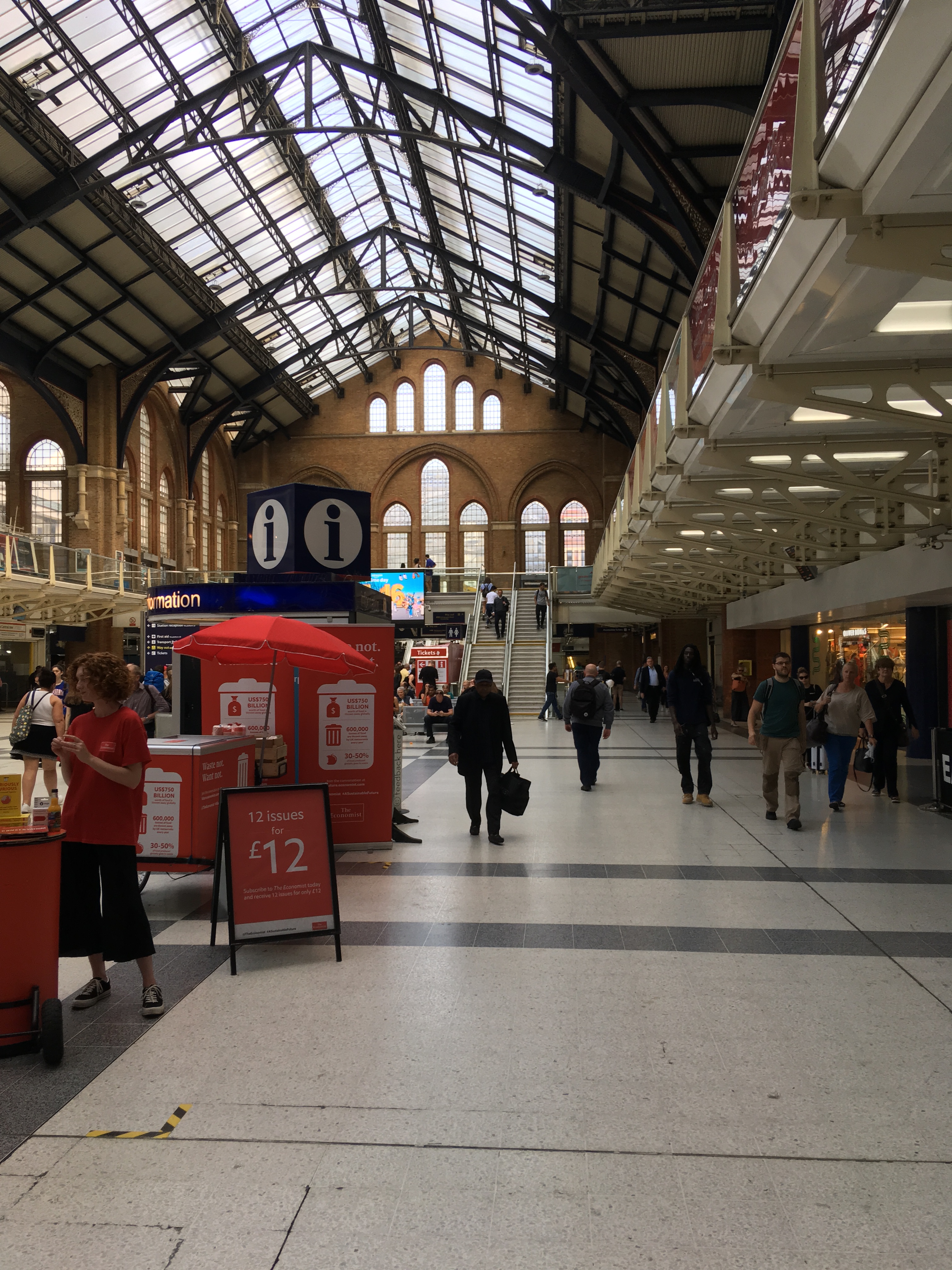
Entering the Liverpool station, the site of the former Bedlam Hospital, I would have not had any indication that a hospital used to exist here if we did not have this assignment. It resembles a typical tube station out here in London. There are some symbols, like the below plaque that was about the size of two large textbooks but was another small detail outside of the grand station. There is also a small statue of two children that could have referred to the hospital as well, however these pieces are not highlighted or in a busy area that would properly commemorate the hospital. The function of the area is clearly to be a tube station. Such a small percent of all passerbyers have the same knowledge of the area while everyone else was just going about their day.
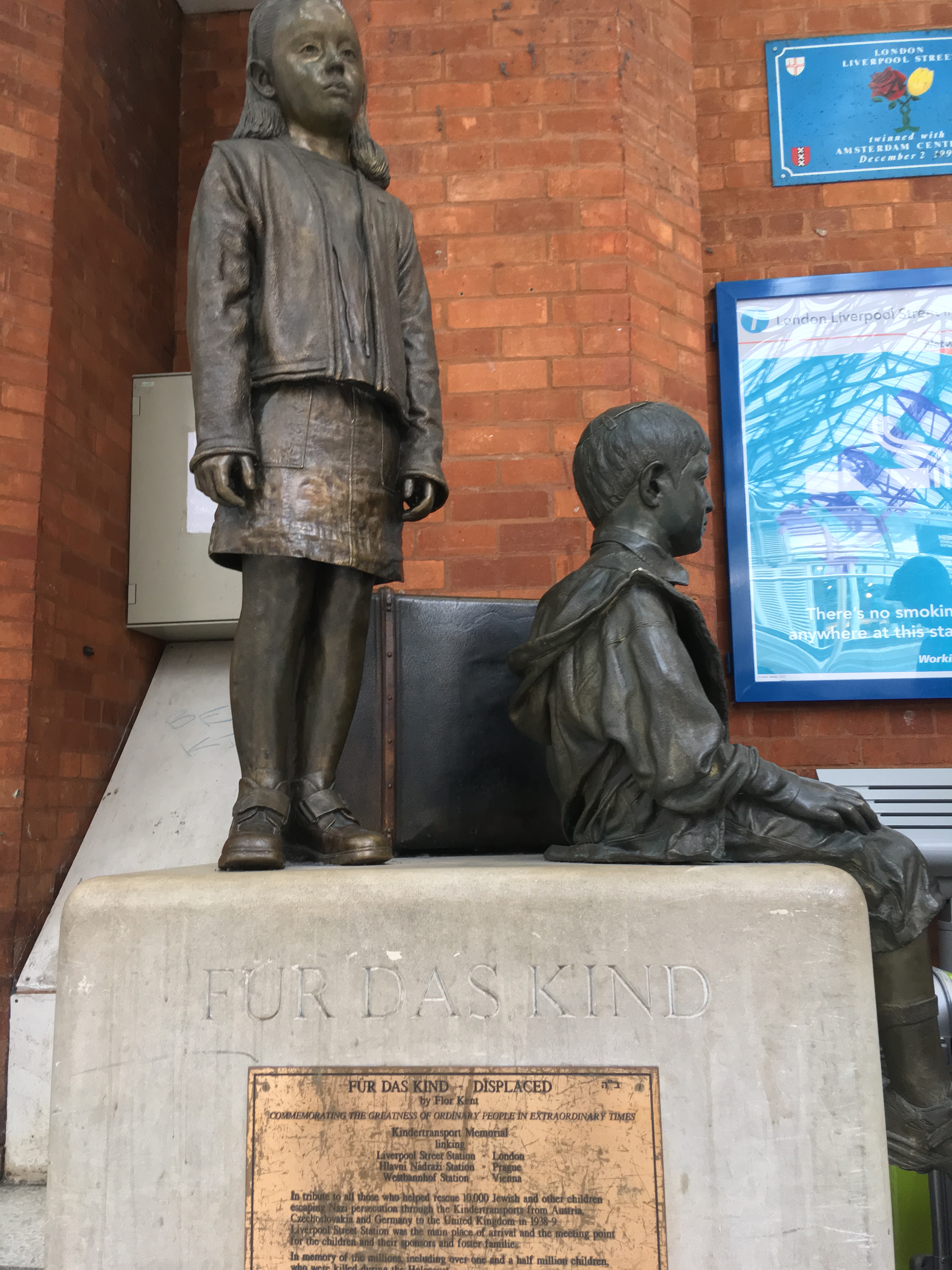
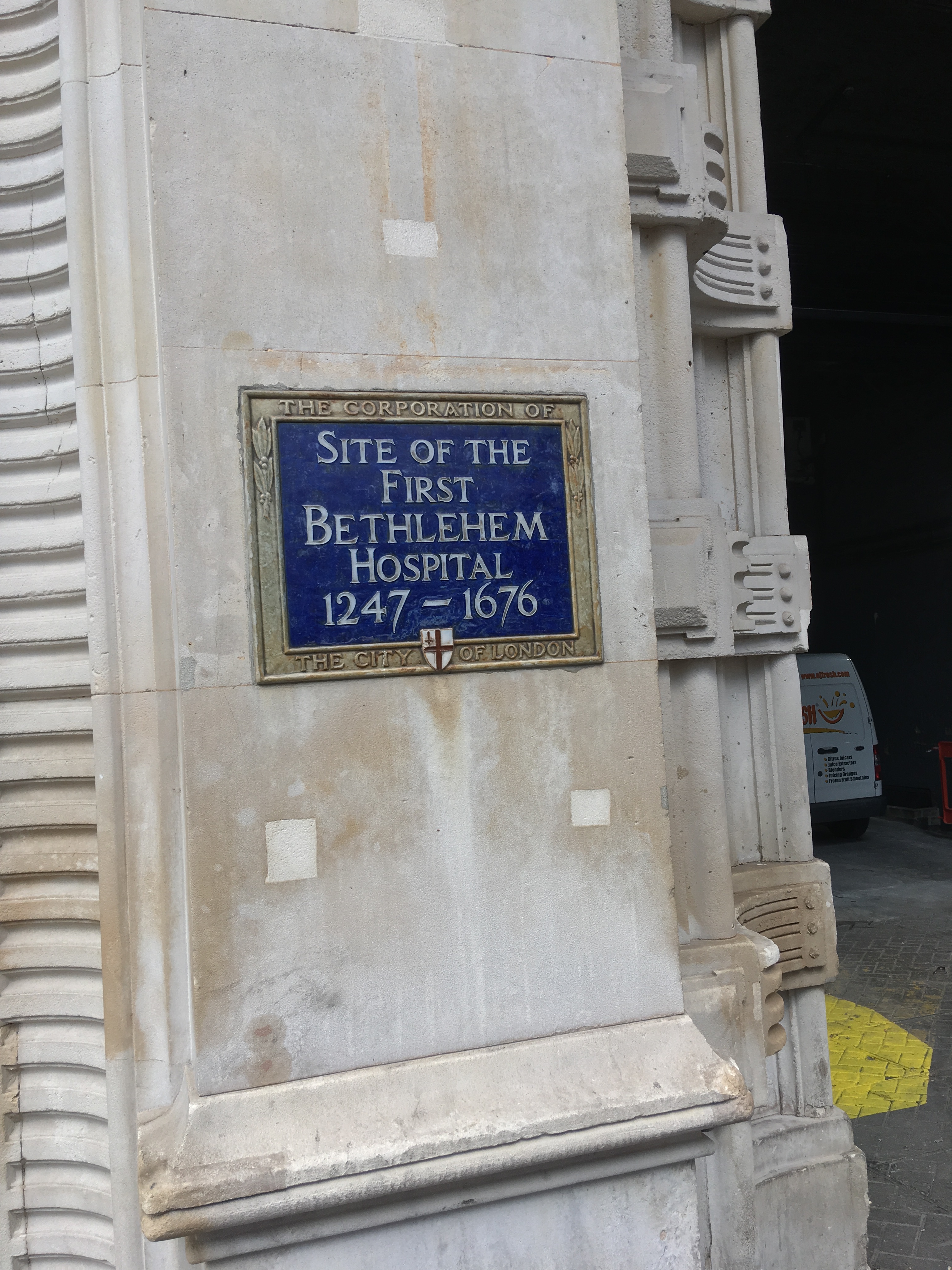
I found later in the readings that the Bedlam Hospital is “associated with scandal” because it was where many were tortured or manipulated. It was not a proud piece of London history. This made me think about the conflict in recognizing one’s past and whether places like this were trying to be hidden from the public eye or if it simply got left behind because modernization did not have a place for it. However, I think that it is purposefully being shoved to the side and hidden because we are able to dignify people and places with grand statues and titles, not just plaques and miniature statues. It did not seem right to hide such a dark page of history, but perhaps once one learns from their past, it is okay to push it aside and cease from constantly bringing it up. The lack of pride in horrific parts of its history contrasts from the Imperial War Museum.
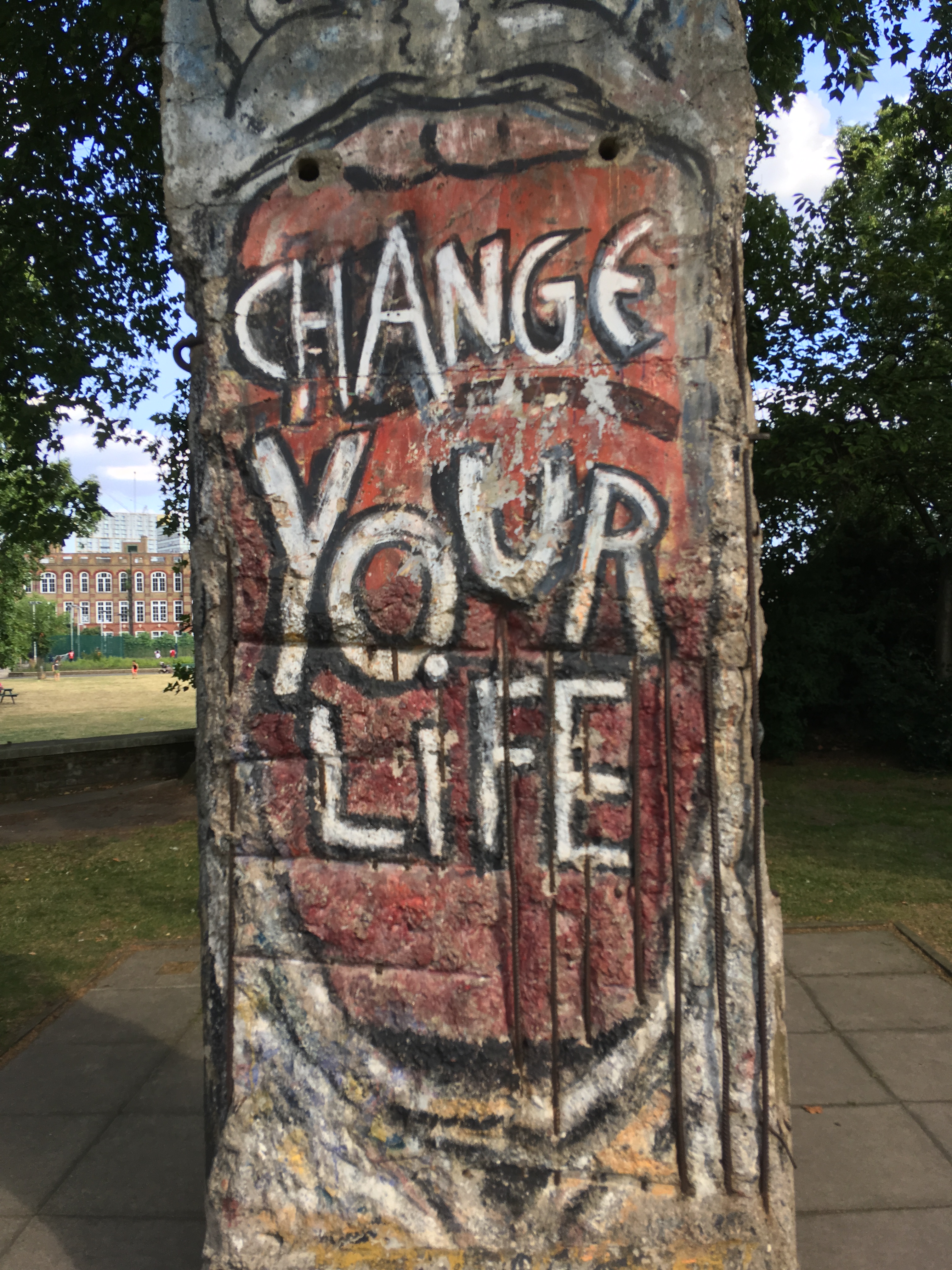
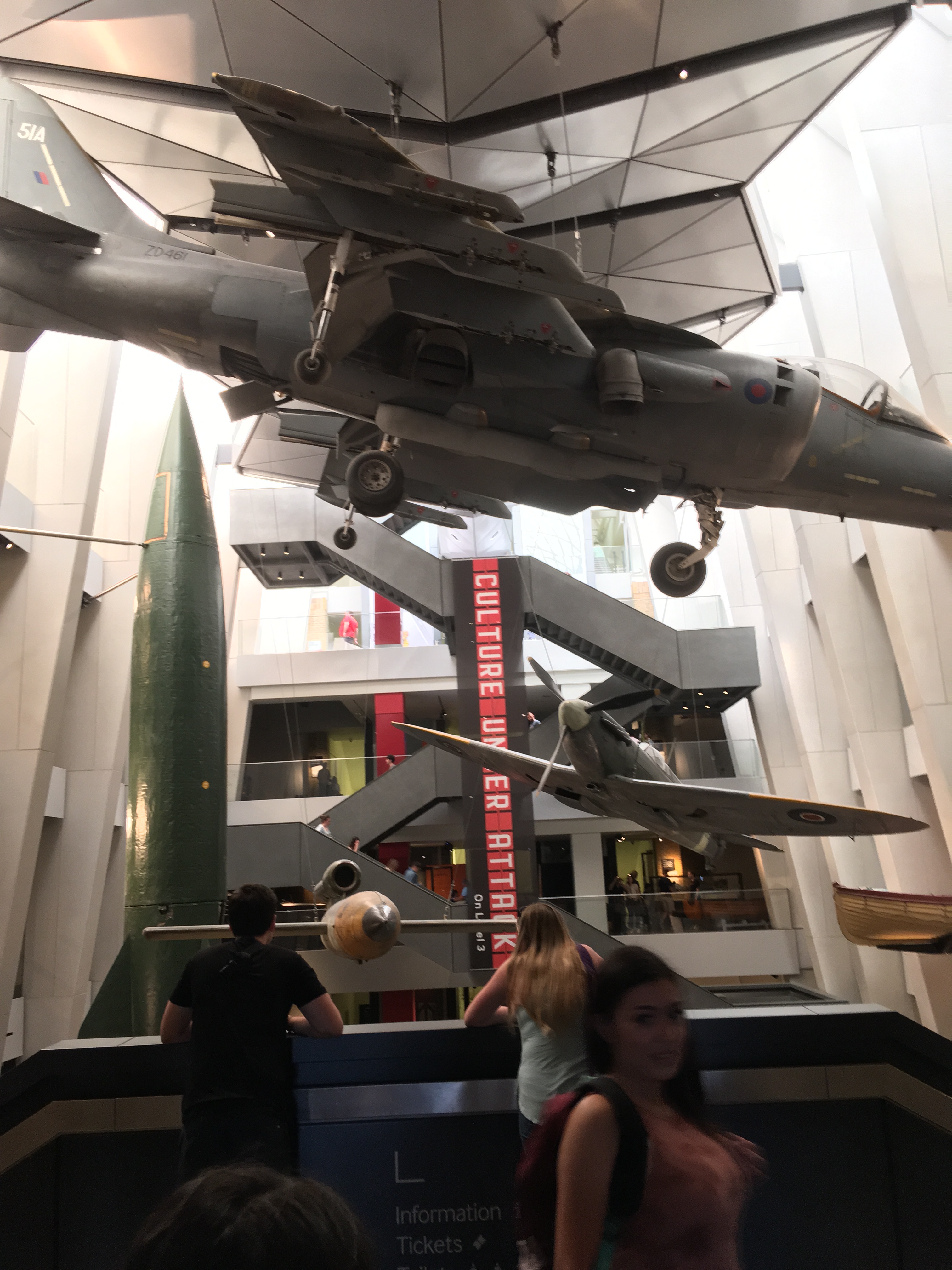
I thought that the Imperial War Museum champions Great Britain’s activity from the World Wars. The placement of it is very intentional being by a park which told me that it would always be visible by people. There was even a segment of the fallen Berlin Wall standing before the entrance that read, “Change Your Life.” I interpreted its placement as a pat on the back by London to say that they played a part in defeating the evil, Communist Soviet Union. Entering the museum, we were greeted by large replicas of war machines like fighter planes and even a tank. I was really curious why I could hear Public Enemy rap playing from a room. I wondered why it was playing, but the music showed modern thought to strife and conflict, so it was like a method to uplift public sentiment amidst war. Exhibits like these indicated to me that London took much pride in its involvement abroad, but I do not remember seeing much on colonization, so perhaps they were trying to cover up that side of their history, and instead highlight their glory from winning wars.

 Lorenzo